How to Fix Traffic Drops from Google Core Updates: Recovery Guide
Learn how to recover from Google core update traffic drops. Proven strategies to diagnose issues and restore your search rankings after algorithm changes.

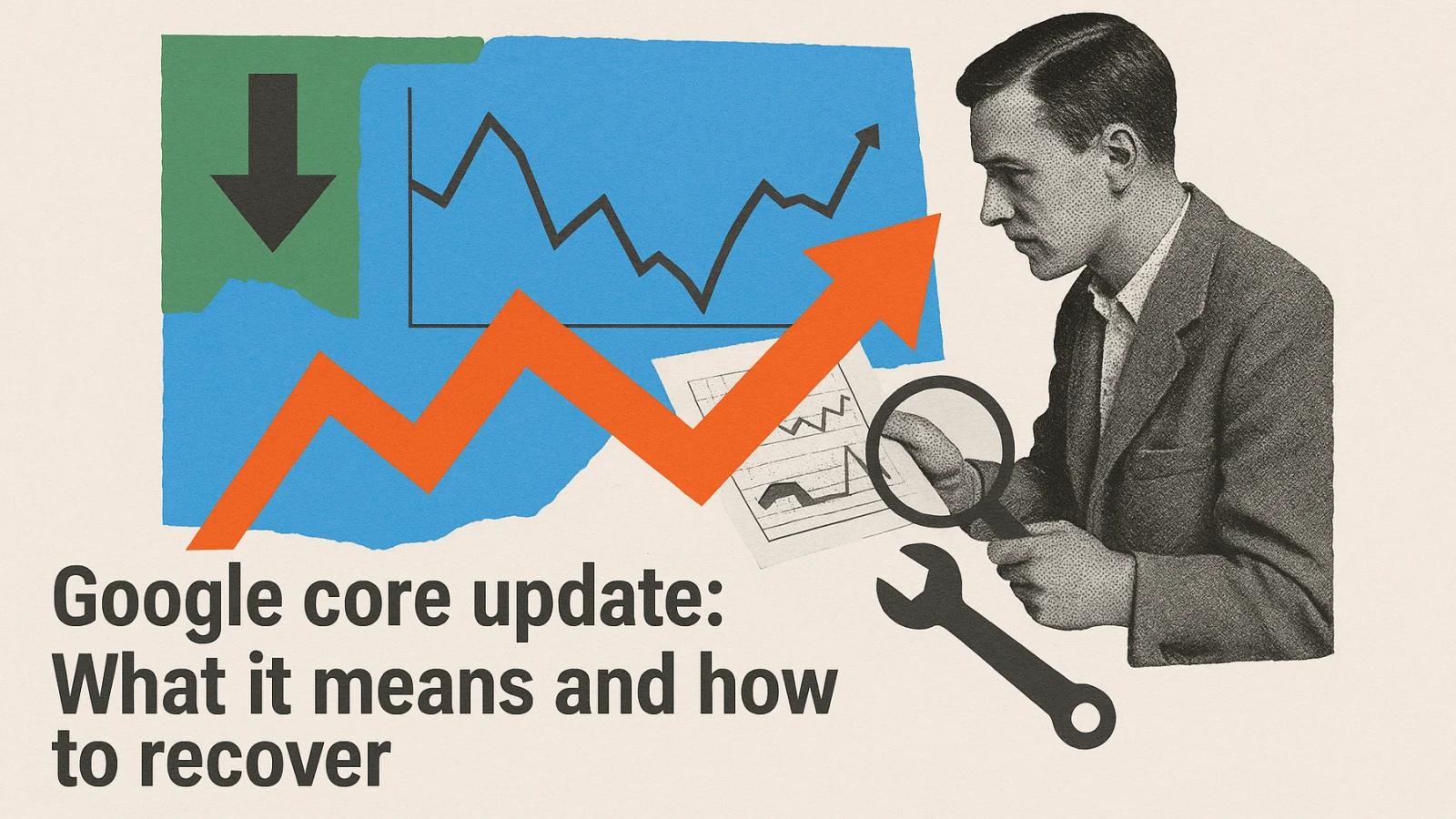
Your traffic was stable for months, then suddenly plummeted 40% overnight. You check Google Search Central and discover a core algorithm update rolled out yesterday. Panic sets in as you watch rankings disappear and organic traffic evaporate.
Google core updates strike fear into website owners because they can dramatically reshape search results with little warning. These broad algorithm changes reassess how Google evaluates content quality, relevance, and authority potentially devastating sites that previously ranked well while elevating competitors who better align with Google's evolving quality standards.
The reality? Core update traffic drops aren't penalties, and they're usually recoverable. Google provides guidance on improving content quality, and sites that genuinely address underlying issues often recover and sometimes exceed their previous traffic levels.
In this comprehensive guide, I'll explain what Google core updates are, why they cause traffic drops, how to diagnose impact on your site, and proven recovery strategies to restore and improve your search visibility.
What Are Google Core Updates?
Google core updates are significant, broad changes to Google's search algorithms and ranking systems. Unlike spam-focused updates targeting specific manipulative practices, core updates reassess how Google evaluates overall content quality across the web.
Key characteristics of core updates:
- Occur several times per year (typically 3-4 major updates)
- Officially announced by Google via @GoogleSearchLiaison Twitter/X account
- Roll out over 1-2 weeks globally
- Impact rankings across all industries and query types
- Focus on rewarding high-quality, authoritative content
- Not penalties sites aren't being punished but rather reassessed
Understanding how search engines work provides context for why these updates cause ranking fluctuations.
Recent major core updates:
Google has released numerous core updates over the years, with each refining how the algorithm evaluates content quality, expertise, and user value. Sites should monitor official Google announcements for update confirmations.
Why Do Core Updates Cause Traffic Drops?
Core updates don't target your site specifically they raise quality standards across the entire search ecosystem. Traffic drops occur when:
Google Reassesses Content Quality
Your content may have ranked well under previous algorithmic criteria but no longer meets Google's evolved quality standards. This doesn't mean your content became worse it means Google's evaluation criteria became more sophisticated.
Competitors Improve Faster Than You
Even if your content remains unchanged, competitors who better align with E-E-A-T principles (Experience, Expertise, Authoritativeness, Trustworthiness) can displace your rankings.
User Experience Signals Change
Google increasingly weighs user engagement metrics, Core Web Vitals, and satisfaction signals. Sites with poor user experience may lose rankings even with quality content.
Content Relevance Gets Re-Evaluated
Google refines its understanding of search intent, potentially determining that different content types better satisfy user queries. Pages optimized for outdated interpretations of search intent lose visibility.
Authority and Trust Signals Shift
Changes in how Google weighs backlinks, domain authority, and trust signals can impact rankings. Sites lacking strong authority signals may drop.
How to Diagnose Core Update Impact
Confirm the Traffic Drop Correlates with an Update
Before assuming a core update caused your traffic loss, verify the timing:
Check update announcements:
- Monitor Google Search Central Blog for official announcements
- Follow @GoogleSearchLiaison on Twitter/X for real-time updates
- Check SEO news sites tracking algorithm changes
- Review industry forums discussing update impacts
Analyze timing in analytics: Use Google Analytics (GA4) to identify exactly when traffic dropped and compare against known update rollout dates.
Assess the Severity and Pattern
Determine how significantly the update affected your site:
Traffic drop analysis:
- Calculate percentage decrease in organic traffic
- Identify if drop was sudden or gradual
- Determine if entire site was affected or specific sections
- Compare traffic patterns across different content types
Ranking changes analysis:
- Use Google Search Console to identify which pages lost rankings
- Track which keywords experienced the largest position drops
- Determine if drops concentrated in specific topic areas
- Identify if you lost featured snippets or SERP features
Identify Which Pages Lost Traffic
Not all pages on your site may be equally affected:
Page-level impact assessment:
- Export organic landing page data from GA4 or Google Search Console
- Compare pre-update vs. post-update performance
- Identify your biggest losers (pages with largest traffic drops)
- Find common characteristics among affected pages
- Determine if certain content types performed worse
Analyze Competitor Movements
Understanding who gained your lost rankings reveals what Google now prefers:
Competitor analysis steps:
- Identify which sites now rank for your lost keywords
- Analyze content quality, depth, and format on ranking pages
- Examine their E-E-A-T signals (author expertise, credentials, references)
- Compare their user experience and technical implementation
- Study their backlink profiles and authority metrics
Use tools for competitor analysis to understand what changed in the competitive landscape.
Google's Official Guidance on Core Updates
Google provides clear guidance on responding to core updates through their Quality Rater Guidelines and official documentation. Key principles include:
Focus on content quality:
- Create content demonstrating genuine expertise
- Provide comprehensive, accurate information
- Ensure content serves user needs, not just SEO
- Display clear expertise, authoritativeness, and trustworthiness
Improve user experience:
- Ensure fast page loads and good Core Web Vitals
- Make content easy to read and navigate
- Provide clear, descriptive headlines
- Remove intrusive ads or interstitials
Build trust signals:
- Display clear author information and credentials
- Include accurate, verifiable information
- Cite authoritative sources
- Maintain transparent business information
Google emphasizes there's no single "fix" for core update impacts recovery requires genuine content quality improvements aligned with user needs.
Step-by-Step Recovery Strategy
Phase 1: Comprehensive Content Quality Audit
Systematically evaluate your content against Google's quality standards:
Content quality assessment questions:
For each affected page, honestly answer:
- Does this content demonstrate firsthand expertise or experience?
- Would a user trust information from this page?
- Is the content comprehensive and in-depth?
- Does it provide unique value not found elsewhere?
- Is information accurate and well-researched?
- Are sources cited where appropriate?
- Does it clearly answer the user's query?
- Would users be satisfied after reading this?
Common quality issues to identify:
- Thin content lacking depth or comprehensiveness
- Outdated information needing updates
- Poor writing quality or grammatical errors
- Lack of original insights or perspectives
- Excessive ads disrupting user experience
- Missing expertise signals or author credentials
- Content created primarily for SEO vs. user value
Follow these guidelines for creating SEO-friendly content that satisfies both users and search engines.
Phase 2: Strengthen E-E-A-T Signals
Demonstrating expertise, experience, authoritativeness, and trustworthiness is crucial for recovery:
Experience signals:
- Add firsthand examples and case studies
- Include original research, data, or testing results
- Share personal insights from real-world application
- Feature photos, screenshots, or videos demonstrating experience
- Tell authentic stories showing actual expertise
Expertise signals:
- Display author credentials and qualifications
- Link to author bio pages with professional background
- Include expert quotes or contributions
- Reference authoritative sources
- Demonstrate technical knowledge appropriately
Authoritativeness signals:
- Build quality backlinks from authoritative sites
- Earn mentions from industry publications
- Get cited by other experts
- Participate in industry forums and communities
- Publish thought leadership content
Trustworthiness signals:
- Display clear contact information
- Include privacy policy and terms of service
- Show customer reviews and testimonials
- Maintain accurate, fact-checked information
- Display security credentials (SSL, trust badges)
- Be transparent about affiliations or sponsorships
Learn more about implementing E-E-A-T principles effectively.
Phase 3: Improve Content Depth and Comprehensiveness
Expand thin content to comprehensively cover topics:
Content expansion strategy:
- Research user intent thoroughly:
- Analyze "People Also Ask" boxes for your keywords
- Review competitor content to identify gaps
- Check related searches and autocomplete suggestions
- Study forum discussions about your topics
- Add comprehensive coverage:
- Expand content to 2,000-3,000+ words for competitive topics
- Address all aspects of the topic, not just basics
- Include multiple perspectives or approaches
- Add examples, case studies, or tutorials
- Create visual elements (images, diagrams, infographics)
- Improve content structure:
- Use clear, descriptive headings and subheadings
- Break text into scannable sections
- Add bullet points and numbered lists
- Include table of contents for long articles
- Create logical flow and hierarchy
Phase 4: Update Outdated Content
Fresh, current information ranks better than outdated content:
Content freshness optimization:
- Update statistics, examples, and data points
- Replace outdated screenshots or images
- Add recent developments or changes
- Remove or correct obsolete information
- Refresh author bylines and publish dates
- Add commentary on recent industry changes
Prioritize updates for:
- Pages that lost the most traffic
- High-authority pages with strong backlinks
- Topics where information changes rapidly
- Content with outdated visual elements
- Pages with declining engagement metrics
Phase 5: Enhance User Experience
Technical performance and usability impact rankings post-core updates:
Core Web Vitals optimization:
- Improve Largest Contentful Paint (LCP) to under 2.5 seconds
- Reduce First Input Delay (FID) to under 100 milliseconds
- Minimize Cumulative Layout Shift (CLS) to under 0.1
- Optimize images and compress files
- Implement lazy loading and browser caching
- Minimize JavaScript and CSS
Use this technical SEO checklist for comprehensive optimization.
Mobile experience improvements:
- Ensure fully responsive design
- Test on multiple devices and screen sizes
- Improve touch target spacing
- Remove intrusive interstitials
- Optimize mobile page speed specifically
Content accessibility:
- Improve readability with shorter paragraphs
- Use clear fonts and appropriate sizing
- Ensure sufficient color contrast
- Add descriptive alt text to images
- Create logical heading hierarchy
Phase 6: Build High-Quality Backlinks
Authority signals through quality links aid recovery:
Strategic link building for recovery:
- Create linkable assets:
- Original research or industry studies
- Comprehensive ultimate guides
- Free tools or calculators
- Infographics or visual resources
- Expert roundups or interviews
- Earn editorial links:
- Guest post on authoritative industry sites
- Get mentioned in industry news or publications
- Participate in expert roundups
- Contribute to resource pages
- Respond to journalist requests (HARO)
- Reclaim lost link equity:
- Find broken backlinks using backlink checker tools
- Reach out to update outdated links
- Fix redirect chains affecting link value
- Monitor for new unlinked brand mentions
Professional backlink building services can accelerate authority growth.
Phase 7: Align Content with Search Intent
Ensure your content format matches what users actually want:
Search intent analysis:
- Identify dominant intent for target keywords:
- Informational: Users want to learn
- Commercial: Users researching purchases
- Transactional: Users ready to buy
- Navigational: Users seeking specific sites
- Match content format to intent:
- Blog posts for informational queries
- Comparison guides for commercial intent
- Product pages for transactional searches
- Landing pages for navigational queries
- Study SERP patterns:
- Analyze what currently ranks in top 10
- Note common content types (guides, lists, reviews)
- Observe featured snippet formats
- Identify SERP features (videos, images, news)
Phase 8: Monitor and Iterate
Recovery requires ongoing monitoring and refinement:
Tracking recovery progress:
- Monitor Google Search Console performance weekly
- Track ranking changes for affected keywords
- Measure traffic trends in GA4
- Review engagement metrics (bounce rate, time on page)
- Watch for improvements in impressions and CTR
Continuous improvement:
- Regularly update high-performing content
- Expand pages showing positive momentum
- Double down on what's working
- Adjust strategies based on data
- Stay informed about future algorithm updates
Recovery Timeline: What to Expect
Weeks 1-2: Immediate Actions Analyze impact, identify issues, begin content improvements
Weeks 3-6: Initial Changes Publish updated content, see minor ranking improvements for some pages
Weeks 6-12: Gradual Recovery Continued optimization shows cumulative effects, traffic begins stabilizing
Months 3-6: Significant Improvement Major content overhauls rank better, traffic approaches or exceeds pre-update levels
Months 6-12: Full Recovery Comprehensive improvements position site for sustained success
Note: Recovery timelines vary significantly. Sites with minor issues may recover in weeks, while those requiring extensive content overhauls may need 6-12 months. Some sites may not fully recover if fundamental quality issues persist.
Preventing Future Core Update Impacts
Build Sustainable SEO Practices
Focus on long-term quality over short-term ranking tactics:
- Create content for users first, search engines second
- Maintain high editorial standards consistently
- Invest in genuine expertise and authority building
- Prioritize user experience and satisfaction
- Build sustainable, white-hat SEO strategies
Stay Informed About Algorithm Changes
Monitor SEO industry news and Google communications:
- Follow Google Search Central Blog
- Subscribe to SEO industry newsletters
- Participate in SEO communities and forums
- Attend industry conferences and webinars
- Read case studies of update impacts
Conduct Regular Content Audits
Proactively identify and fix quality issues before updates hit:
- Quarterly content quality reviews
- Regular SEO audits identifying technical issues
- Periodic website audits for comprehensive checks
- Competitive analysis to stay ahead of industry standards
- User feedback collection and implementation
Diversify Traffic Sources
Reduce dependence on Google organic traffic:
- Build email subscriber lists
- Develop strong social media presence
- Invest in content marketing distribution
- Create referral partnerships
- Consider strategic paid advertising
Common Core Update Recovery Mistakes
Making Hasty Changes Without Analysis
Panicking and making random changes often makes things worse:
- Avoid complete content rewrites without understanding issues
- Don't delete pages that lost rankings without analysis
- Resist urge to completely change content strategy
- Analyze data thoroughly before major decisions
Obsessing Over Granular Technical Fixes
While technical SEO matters, core updates primarily focus on content quality:
- Don't ignore fundamental content quality issues
- Technical optimization alone rarely drives recovery
- Focus on E-E-A-T improvements over minor technical tweaks
- Balance technical and content improvements
Expecting Overnight Recovery
Core update recovery takes time and patience:
- Changes don't impact rankings immediately
- Google needs time to recrawl and reassess
- Multiple rounds of improvement may be necessary
- Recovery often happens gradually, not suddenly
Ignoring User Needs for SEO
Over-optimizing for search engines backfires:
- Write for human readers, not algorithms
- Provide genuine value, not keyword-stuffed content
- Focus on satisfying user intent completely
- Make user experience the priority
Tools for Core Update Recovery
Essential SEO Analysis Tools
Google Search Console: Free tool for monitoring performance, indexing, and specific issues affecting your site
Google Analytics (GA4): Track traffic patterns, user behavior, and engagement metrics to measure recovery
PageSpeed Insights: Analyze Core Web Vitals and identify performance improvements
Screaming Frog SEO Spider: Crawl your site to identify technical issues and content problems
Ahrefs or SEMrush: Monitor rankings, analyze competitors, and track backlink profiles
Rank Tracking Tools: Monitor daily keyword position changes to measure recovery progress
Explore more options in this guide to free SEO tools.
Industry-Specific Recovery Strategies
E-Commerce Sites
E-commerce SEO recovery focuses on product page quality:
- Enhance product descriptions with unique, detailed content
- Add customer reviews and Q&A sections
- Include buying guides and comparison content
- Improve product images and specifications
- Implement proper product schema markup
Check out these e-commerce SEO tips for detailed strategies.
Local Business Sites
Local SEO recovery emphasizes local relevance and trust:
- Optimize Google Business Profile completely
- Build local citations across directories
- Earn reviews from actual customers
- Create locally-relevant content
- Strengthen local community involvement
Service-Based Businesses
Service providers need authority and trust signals:
- Showcase credentials and certifications
- Feature detailed case studies and testimonials
- Create comprehensive service pages
- Build industry-specific backlinks
- Demonstrate expertise through content writing
FAQ About Google Core Update Recovery
How long does it take to recover from a core update?
Most sites see initial improvements within 2-3 months of implementing quality improvements, with full recovery taking 6-12 months. However, recovery ultimately depends on the extent of quality improvements made there's no guaranteed timeline. Some sites recover partially with the next core update, while others require sustained effort over multiple updates.
Can my site fully recover from a core update traffic drop?
Yes, many sites fully recover and even exceed previous traffic levels by genuinely improving content quality and E-E-A-T signals. However, if competitors have fundamentally better content or stronger authority, you may need to significantly enhance your approach to reclaim rankings. Focus on creating genuinely superior content rather than just matching competitors.
Should I delete pages that lost rankings in a core update?
Not necessarily. Deleting pages removes any existing authority and backlinks they've built. Instead, substantially improve and update underperforming pages. Only delete if content is truly irrelevant, duplicate, or provides no value even after improvement attempts. Redirect deleted pages appropriately to preserve link equity.
Do I need to wait for the next core update to recover?
No, Google continuously recrawls and reassesses pages. Improvements can positively impact rankings between core updates, though significant movements often coincide with new core updates. Don't wait passively implement improvements immediately and monitor for gradual recovery rather than waiting for the next major update.
Conclusion: Recover and Thrive After Core Updates
Google core updates can devastate traffic, but they also create opportunities for sites genuinely committed to quality. The sites that recover aren't those making quick fixes they're the ones fundamentally improving content quality, user experience, and expertise signals.
Your core update recovery action plan:
- Verify impact correlation with core update timing
- Analyze affected pages and identify common quality issues
- Strengthen E-E-A-T signals throughout your content
- Improve content depth and comprehensiveness
- Update outdated information and refresh content
- Enhance user experience and technical performance
- Build quality backlinks from authoritative sources
- Monitor progress and continuously iterate
Remember that core update recovery is a marathon, not a sprint. Google rewards sites that genuinely serve users, demonstrate expertise, and provide trustworthy information. Commit to these principles, and recovery will follow.
If you've been hit by a core update and need expert guidance to recover your traffic, I'm here to help. Book a meeting to discuss your specific situation and develop a customized recovery strategy. Explore my SEO service packages and pricing plans, or review my case studies to see proven recovery results.
Ready to recover from core update traffic loss? Contact me today for comprehensive SEO support that restores and improves your search visibility.

Written by Sadekur Rahman
SEO & Website Strategy Specialist at Pixelvega and SEO Executive at Daily Amar Desh. 6+ years helping brands grow with data-driven SEO.