Legal Requirements for Setting Up a Factory in Bangladesh: A Step-by-Step Guide for Entrepreneurs
Starting a factory in Bangladesh is a powerful step toward building a successful business. With a growing economy, supportive government policies, and access to a large workforce, the country offers great opportunities for entrepreneurs and investors. However, setting up a factory is not just about

Starting a factory in Bangladesh is a powerful step toward building a successful business. With a growing economy, supportive government policies, and access to a large workforce, the country offers great opportunities for entrepreneurs and investors.
However, setting up a factory is not just about land, machines, and manpower. It involves multiple legal steps, approvals, and proper planning.
In this guide, we will break down the legal requirements for factory setup in Bangladesh in a simple and practical way.
Introduction to Factory Setup in Bangladesh
Bangladesh has become one of the fastest-growing economies in South Asia. Industries like garments, manufacturing, and agro-processing are expanding rapidly.
But before starting operations, every entrepreneur must comply with legal and regulatory requirements. Missing even one step can delay your project or lead to penalties.
Key Legal Requirements for Factory Setup
Let’s go through the most important legal steps one by one.
1. Trade License
A trade license is the first document you need to start any business.
- Issued by: City Corporation or Municipality
- Validity: 1 year (requires renewal)
Important points:
- Business location must comply with zoning laws
- Industrial activities are not allowed in residential areas
- Wrong category selection can cause delays
2. TIN & VAT Registration
To operate legally, you must register for tax and VAT.
- TIN (Taxpayer Identification Number) is mandatory for all businesses
- VAT registration is required if your turnover crosses a certain limit
Benefits:
- Enables you to apply for loans
- Required for government tenders
- Ensures tax compliance
3. Environmental Clearance
Environmental clearance is one of the most critical approvals.
Factories are classified into categories:
- Green
- Orange
- Red
Depending on your category:
- You may need an Environmental Impact Assessment (EIA)
- Approval time can range from a few weeks to several months
Without this clearance, your factory may be shut down.
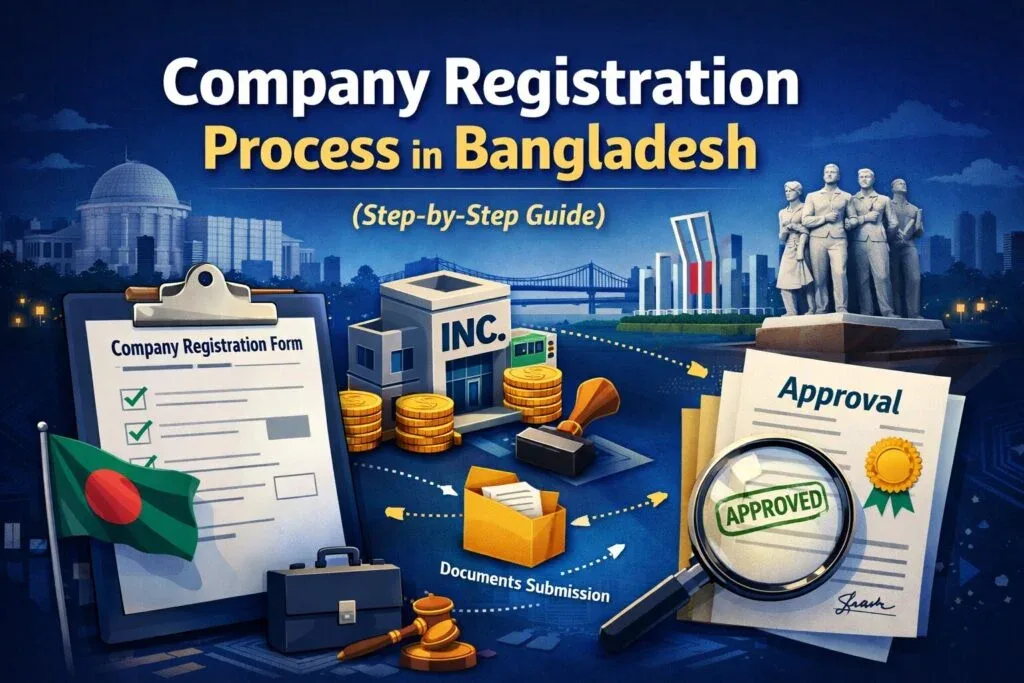
4. Company Registration (RJSC)
If you plan to run a medium or large-scale factory, company registration is essential.
- Registered through RJSC (Registrar of Joint Stock Companies)
- Types: Private Limited, Public Limited
Requirements include:
- Memorandum of Association
- Articles of Association
- Shareholder details
A registered company builds credibility and helps attract investors.
Common Challenges Entrepreneurs Face
Many new entrepreneurs face difficulties during factory setup.
Some common challenges include:
- Delays in approvals from different authorities
- Lack of clear understanding of legal requirements
- Incorrect or incomplete documentation
- Difficulty in securing bank loans
- Poor financial planning
These challenges often result in project delays or increased costs.
What is a Project Profile?
A Project Profile is a detailed document that explains your entire business plan.
It includes:
- Business overview
- Product details
- Market analysis
- Financial projections
- Investment requirements
In simple terms, it is a blueprint of your factory and business idea.
Why Project Profile is Important
A well-prepared project profile plays a key role in your business success.
1. For Bank Loans
Banks require a project profile to evaluate:
- Profitability
- Risk level
- Repayment capacity
Without a proper document, loan approval becomes difficult.
👉 A professional project profile preparation service can significantly improve your chances.
2. For Investment
Investors want to see clear data before investing.
A strong project profile:
- Builds trust
- Shows business potential
- Explains risk and return
3. For Government Approvals
Authorities like BIDA often require detailed project information.
Without a project profile:
- Applications may be rejected
- Approval process may be delayed
What Should a Good Project Profile Include?
A standard project profile should cover:
- Business overview and objectives
- Product or service details
- Market demand and competition
- Production process and resources
- Financial plan and projections
- Risk analysis
- Environmental and social impact
The more clear and realistic your profile is, the better your chances of success.
Importance of Feasibility Study
A feasibility study helps you understand whether your project is practical and profitable.
It focuses on three key areas:
Technical Feasibility
Can the product be produced efficiently?
Financial Feasibility
Will the business generate profit?
Market Feasibility
Is there enough demand?
👉 A detailed feasibility study & financial analysis helps you make informed decisions before investing.
How Professional Support Can Help
Factory setup involves multiple steps, documents, and approvals. Managing everything alone can be overwhelming.
Professional services can help you:
- Prepare documents correctly
- Avoid legal mistakes
- Speed up approvals
- Plan finances properly
For example, a reliable factory setup consultancy can guide you through the entire process.
Additionally, expert business advisory services can help you make better strategic decisions.
Final Thoughts: Plan Smart Before You Start
Setting up a factory in Bangladesh offers great opportunities, but success depends on proper planning and legal compliance.
Understanding the factory setup Bangladesh process and preparing the right documents will save you time, money, and stress.
Start with a clear plan, follow legal steps, and seek expert support when needed.
Don’t let legal complexity slow down your business dream.
👉 Get expert support for factory setup, project profile preparation, and financial planning: SAM & Associates

Written by Sadekur Rahman
SEO & Website Strategy Specialist at Pixelvega and SEO Executive at Daily Amar Desh. 6+ years helping brands grow with data-driven SEO.