Why Is My Content Not Matching Search Intent? Fixing Misalignment
Learn why your content fails to match search intent and discover proven strategies to align your pages with user intent for better SEO rankings and conversions.

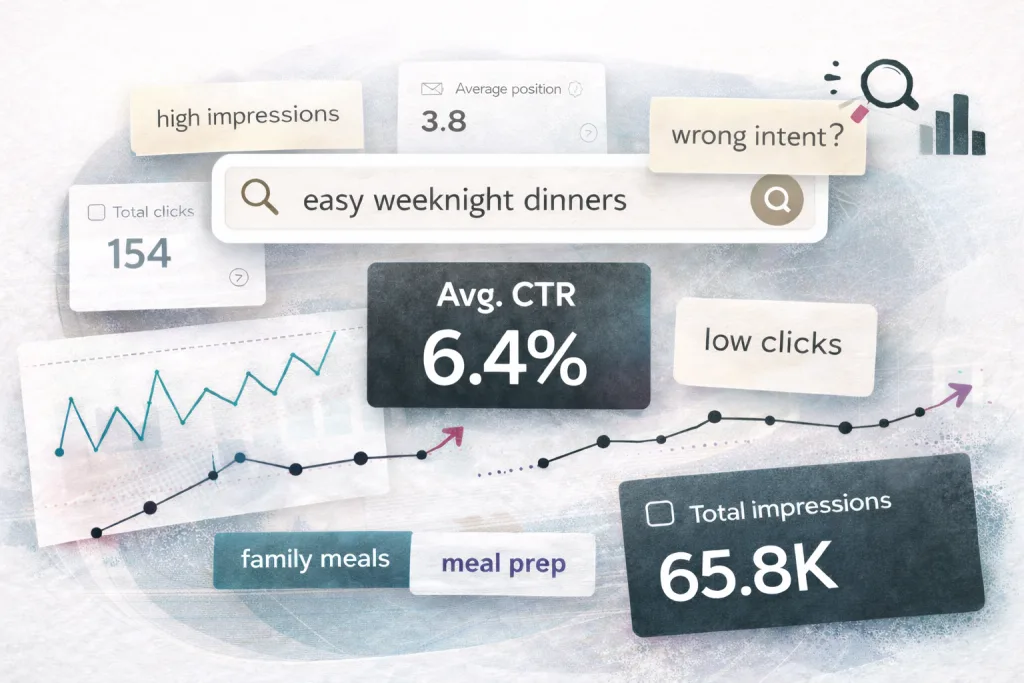
When your carefully crafted content fails to rank despite targeting the right keywords, search intent mismatch is likely the culprit. Understanding and aligning with user intent has become the cornerstone of modern SEO success, yet many businesses struggle to bridge this gap between what they create and what searchers actually want.
Search engines have evolved far beyond simple keyword matching. Today's algorithms prioritize content that genuinely satisfies the user's underlying need behind their search query. If your content doesn't align with what users expect to find, you'll struggle to gain visibility, regardless of how well-optimized your technical SEO might be.
What Is Search Intent?
Search intent, also called user intent or query intent, represents the primary goal a user has when typing a query into a search engine. It's the "why" behind the search, the actual information, solution, or action the user hopes to accomplish.
Google's primary mission is to deliver the most relevant results for each query. When your content matches the searcher's intent, you're essentially helping Google fulfill its core purpose. This alignment leads to better rankings, higher click-through rates, and improved user engagement metrics.
The Four Types of Search Intent
Understanding the different types of search intent helps you create content that precisely matches what users need:
Informational Intent occurs when users seek knowledge or answers to specific questions. These queries often include words like "how to," "what is," "guide," or "tips." For example, someone searching "what is search intent" wants an educational explanation, not a product page. If you're looking to improve your overall content writing strategy, understanding informational intent is crucial.
Navigational Intent happens when users search for a specific website or page. They already know where they want to go and use the search engine as a shortcut. Searches like "Facebook login" or "Amazon Prime" show navigational intent. Your brand name searches fall into this category.
Commercial Investigation Intent represents users in the research phase before making a purchase decision. They're comparing options, reading reviews, and evaluating features. Queries containing "best," "review," "comparison," or "vs" indicate commercial intent. Creating comprehensive case studies can capture these potential customers.
Transactional Intent signals users ready to take action, whether making a purchase, signing up, or downloading something. Keywords like "buy," "discount," "deal," or "order" reveal transactional intent. If your e-commerce SEO isn't converting, you might be targeting the wrong intent.
Why Content-Intent Misalignment Happens
Content creators fall into several common traps that lead to intent misalignment. Recognizing these patterns helps you avoid creating content that misses the mark.
Keyword-Focused Rather Than User-Focused
Many content strategies start with keyword research but stop there. You might identify "programmatic SEO" as a target keyword and create content around it without truly understanding what searchers want when they use that term. Are they looking for a definition, implementation guide, tool recommendations, or service providers? Without analyzing search intent, your content becomes a guessing game.
When you focus solely on incorporating keywords without considering the underlying user needs, you create content that might be technically optimized but fundamentally unsatisfying. This approach often results in high bounce rates and low engagement, signaling to search engines that your content doesn't meet user needs.
Wrong Content Format for the Intent
The format of your content must match what users expect to find. If searchers want a quick answer or step-by-step guide but land on a lengthy case study, they'll bounce immediately. Similarly, someone researching solutions in depth won't be satisfied with a brief 300-word overview.
Video tutorials might be perfect for "how to" queries, while comparison tables work better for commercial investigation intent. Blog posts, landing pages, product pages, and tools each serve different intents. Creating the wrong format, regardless of content quality, guarantees poor performance.
Outdated Understanding of Search Results
Search intent isn't static. What users expected to find for a query two years ago might differ significantly from what they expect today. Google continuously refines its understanding of intent based on user behavior, and your content must evolve accordingly.
Regular SEO audits help identify when your content no longer aligns with current search expectations. Market changes, new competitors, and shifting user behavior all influence how search engines interpret intent.
Lack of SERP Analysis
The search engine results page (SERP) provides the clearest signal of intent, yet many content creators skip this crucial research step. When you ignore what's currently ranking for your target keywords, you miss vital clues about what Google deems relevant and what users actually click on.
Effective SERP analysis reveals patterns in content types, formats, depth, and angles that succeed for specific queries. This intelligence should directly inform your content strategy and creation process.
How to Identify Search Intent Mismatch
Before fixing intent misalignment, you need to diagnose it accurately. Several indicators reveal when your content fails to match user expectations.
Analyze Your Current Performance Metrics
High bounce rates combined with low average time on page suggest users aren't finding what they expected. When visitors leave immediately after landing on your page, they're signaling that your content doesn't match their intent. Tools like Google Analytics 4 provide these critical engagement metrics.
Low click-through rates (CTR) from search results indicate that your title and meta description don't align with user expectations. Even if you rank well, people won't click if your listing doesn't promise to satisfy their intent.
Poor conversion rates despite decent traffic volume suggest your content attracts visitors but serves the wrong intent. You might be ranking for informational queries when your page has transactional intent, or vice versa.
Examine the Current Top-Ranking Pages
Study the top 10 results for your target keywords systematically. Notice the common content types: Are they blog posts, product pages, videos, or tools? This pattern reveals what Google considers most relevant for that query.
Evaluate the content depth and detail level. Do top-ranking pages provide comprehensive guides or quick answers? How long are they? What subtopics do they cover? This analysis shows the expected content depth for matching intent.
Check the angles and approaches used by successful pages. Do they emphasize cost savings, ease of use, results, or something else? The dominant messaging reflects what resonates with users for that particular query.
Use Search Console Data
Google Search Console reveals the queries actually bringing traffic to your pages. When these queries significantly differ from your target keywords, you've likely created content that serves unintended search intent.
Monitor queries with impressions but low clicks. These represent opportunities where your content appears in results but fails to attract clicks, often due to intent mismatch in your title and description.
Track queries where you rank on page 2 or 3. These positions indicate your content partially matches intent but needs refinement to fully satisfy user expectations and break into top results.
Strategies to Align Content With Search Intent
Once you've identified intent misalignment, implement these strategies to create content that perfectly matches user expectations and ranks consistently.
Conduct Thorough SERP Research
Make SERP analysis a mandatory first step before creating any content. Search your target keyword and study the results carefully. Beyond just looking at rankings, analyze the patterns, commonalities, and differences among top performers.
Create a SERP analysis document noting content types, word counts, featured snippets, People Also Ask questions, related searches, and knowledge panels. This comprehensive view reveals exactly what users expect and what Google rewards.
Pay special attention to SERP features like featured snippets, which indicate opportunities for quick answers, and video results, which suggest visual content might be valuable. Understanding these elements helps you structure content for maximum visibility.
Match Content Type to Intent
Create the content format that best serves the identified intent. For informational queries, develop comprehensive guides, tutorials, or explanatory articles. These should educate and answer questions thoroughly, as users want to learn rather than buy.
For commercial investigation intent, build comparison pages, review articles, or product roundups. Users in this phase need detailed information to make informed decisions, including pros, cons, pricing, and feature comparisons. Your content marketing should address this research phase effectively.
Transactional intent demands clear, action-oriented landing pages with prominent calls-to-action. Remove unnecessary distractions and focus on conversion elements. Product pages should highlight benefits, address objections, and make purchasing simple.
Optimize Content Structure
Structure your content to match how users want to consume information for that specific intent. Informational content benefits from clear hierarchies with H2 and H3 headings that break down complex topics into digestible sections. This approach supports both user experience and technical SEO.
Use formatting that enhances scannability: bullet points for lists, tables for comparisons, and bold text for emphasis. Most users scan rather than read word-for-word, so make key information easy to locate quickly.
Position your most important content above the fold. Users should immediately see that your page addresses their intent without scrolling. Front-load value to reduce bounce rates and signal relevance to search engines.
Address User Questions Comprehensively
Incorporate questions from the "People Also Ask" section and related searches directly into your content. These represent actual user concerns and interests related to your topic. Answering them thoroughly demonstrates comprehensive coverage.
Create FAQ sections that address common questions related to your topic. This approach not only helps users but also positions your content for featured snippet opportunities and voice search results.
Consider the user's journey beyond their initial query. What follow-up questions might they have? What objections need addressing? Anticipating and answering these questions creates truly helpful content that keeps users engaged.
Use Appropriate Language and Tone
Match your writing style to the audience and intent. Technical topics targeting professionals require different language than beginner-friendly guides. Analyze the tone used by top-ranking content and align accordingly.
Avoid unnecessary jargon when targeting general audiences with informational intent. Explain concepts clearly and simply. However, when addressing experts conducting commercial research, demonstrate expertise through appropriate technical terminology.
Transactional content should be concise and persuasive, while informational content can be more exploratory and educational. The intent determines whether you need to convince, educate, or facilitate action.
Advanced Tactics for Intent Optimization
Beyond basic alignment, these advanced techniques help you capture more traffic and better serve user needs across the entire search journey.
Create Content Clusters
Develop topic clusters that address multiple related intents around a core theme. Your pillar content might target informational intent, while cluster pages address commercial investigation and transactional queries. This strategy establishes topical authority and captures users at different journey stages.
Implement strategic internal linking between cluster pages to guide users naturally through your content. Someone starting with an informational article might progress to a comparison page and eventually a product or service page.
Ensure each page in your cluster distinctly serves a specific intent. Avoid cannibalization where multiple pages compete for the same query by clearly differentiating their purpose and target keywords.
Leverage Schema Markup
Implement schema markup to help search engines understand your content better and potentially earn rich results. FAQ schema, How-To schema, Review schema, and Product schema all signal specific content types that match particular intents.
Rich results improve visibility and click-through rates by providing users more information directly in search results. This preview helps users determine if your content matches their intent before clicking, reducing bounce rates.
Different schema types support different intents. Product schema serves transactional searches, FAQ schema supports informational queries, and Review schema aids commercial investigation. Choose schema types that reinforce your content's intent alignment.
Optimize for Featured Snippets
Featured snippets represent the ultimate intent match, providing direct answers to user queries. Structure content specifically to capture these position zero rankings by providing clear, concise answers to questions.
Format answers appropriately: use numbered lists for steps, bulleted lists for items, and tables for comparisons. Google extracts these structured formats most readily for featured snippets.
Place your answer immediately after the question subheading, ideally in 40-60 words. Follow with more detailed explanation for users who want deeper information. This structure serves both snippet optimization and comprehensive coverage.
Monitor and Refine Continuously
Search intent evolves as markets, products, and user behavior change. Establish a regular review schedule to reassess whether your content still aligns with current intent for your target keywords.
Track ranking changes and correlate them with content updates or SERP changes. When rankings drop, investigate whether search intent has shifted or new competitors better satisfy user needs.
Use tools like Google Analytics and Search Console to monitor engagement metrics over time. Deteriorating metrics often precede ranking drops and signal the need for content refreshes to realign with intent.
Common Intent Alignment Mistakes to Avoid
Even experienced content creators make these mistakes that undermine intent alignment and limit content performance.
Forcing Commercial Intent on Informational Queries
One of the most common errors is trying to sell to users who want to learn. When someone searches "what is local SEO," they're not ready to hire an local SEO service. Overly promotional content for informational queries results in high bounce rates and poor rankings.
You can mention your services naturally within informational content, but the primary focus must be education. Save the hard sell for pages targeting transactional or commercial investigation intent.
Include subtle CTAs that match the user's stage: "Want help implementing these strategies?" works better than "Buy our service now" in informational content. Guide users gently toward conversion without forcing it.
Ignoring Mobile User Intent
Mobile users often have different intent than desktop users, even for the same query. Mobile searchers frequently want quick answers, local information, or immediate action, while desktop users might conduct more extensive research.
Ensure your content works perfectly on mobile devices. Page speed, readability, and easy navigation matter even more for mobile users who might be searching on-the-go. If your site isn't mobile-optimized, you're failing to match mobile user intent regardless of your content quality.
Consider creating mobile-specific content or adjusting your layout for mobile users. Click-to-call buttons, maps for local businesses, and simplified navigation all help satisfy mobile-specific intent patterns.
Creating Thin Content for Complex Topics
Some topics demand comprehensive coverage to match user intent. Attempting to rank with brief, superficial content when users need detailed guides guarantees failure. When top-ranking pages provide 3,000-word comprehensive guides, your 500-word summary won't compete.
Match or exceed the depth of top-performing content for your target queries. Users searching for complex topics expect and deserve thorough, detailed information that completely addresses their needs.
However, don't conflate length with quality. More words don't automatically mean better intent alignment. Focus on comprehensiveness and value rather than arbitrary word counts.
Measuring Intent Alignment Success
Track these metrics to determine whether your intent optimization efforts are working and identify areas needing further refinement.
Ranking Improvements
Monitor your positions for target keywords over time. Successful intent alignment typically results in steady ranking improvements as search engines recognize your content better satisfies user needs. Use rank tracking tools to measure progress objectively.
Pay attention to ranking velocity: how quickly you move up from page 2 to page 1, or from position 5 to position 1. Rapid improvements suggest strong intent alignment, while stagnant rankings indicate continued misalignment issues.
Don't just track primary keywords. Monitor long-tail variations and related queries you rank for. Intent-aligned content naturally ranks for numerous related terms as search engines recognize its comprehensive relevance.
Engagement Metrics
Bounce rate should decrease as you better match intent. When users find what they expected, they stay longer and engage more deeply with your content. A significant drop in bounce rate indicates improved intent alignment.
Time on page and pages per session should increase. Users who find relevant content explore further, clicking internal links to related pages. These engagement signals reinforce to search engines that your content satisfies user intent.
Monitor scroll depth to understand how much of your content users actually consume. If most visitors only read the first section, your content might not maintain its intent alignment throughout, or it might be longer than necessary for the intent.
Conversion Rates
Ultimately, traffic that matches intent converts better. Whether your goal is leads, sales, newsletter signups, or downloads, conversion rates improve when visitors find exactly what they searched for.
Track conversion rates by traffic source and landing page. Pages with high conversion rates likely align well with search intent, while poor converters may attract the wrong intent despite ranking well.
Calculate the full value of improved intent alignment: higher rankings multiplied by better CTR multiplied by improved conversion rates. Even small improvements in each metric compound into significant business impact.
Tools and Resources for Intent Research
Leverage these tools to streamline your intent research and content optimization process for consistent results.
Google Search Console
Search Console provides direct insight into how your content performs for different queries. The Performance report shows queries, impressions, clicks, CTR, and position, revealing intent mismatches and opportunities.
Filter data by page to see all queries driving traffic to specific URLs. When these queries vary widely in intent, your page tries to serve too many purposes. Consider splitting into multiple focused pages.
Use the Coverage report to identify indexing issues that might prevent your content from serving any intent. Technical problems must be resolved before intent alignment can drive results.
Keyword Research Tools
Professional keyword research tools like Ahrefs, SEMrush, or Moz provide SERP analysis features, keyword difficulty scores, and related keyword suggestions that reveal intent patterns.
These tools often categorize keywords by intent or allow you to analyze SERP features, making intent research more efficient. Use them to identify opportunities where you can better match intent than current ranking pages.
Competitor analysis features show which keywords competitors rank for, their content approaches, and potential gaps in your own content. This competitive intelligence informs your intent alignment strategy.
SERP Analysis Frameworks
Develop a systematic approach to SERP analysis using a consistent framework. Create a checklist or template that ensures you examine all relevant factors: content types, word counts, formats, angles, SERP features, and user engagement signals.
Document your findings for each target keyword before creating content. This documentation serves as a brief that guides content creation and sets clear expectations for what success looks like.
Return to this analysis periodically to track SERP changes over time. Understanding how results evolve helps you anticipate and adapt to shifting intent before rankings suffer.
Why Partner With an SEO Expert
While understanding search intent is crucial, implementing a comprehensive strategy requires expertise, tools, and ongoing optimization. As an experienced SEO specialist, I help businesses bridge the gap between their content and user intent through data-driven strategies.
My approach combines thorough intent research, strategic content planning, and continuous optimization to ensure your content ranks and converts. Rather than guessing at user intent, we analyze real data, study successful competitors, and create content that precisely matches what your target audience needs.
Whether you need help with content writing, on-page optimization, or comprehensive SEO services, I provide customized solutions that align with your business goals and audience needs.
Take Action on Search Intent Today
Understanding search intent isn't optional in modern SEO it's fundamental. Your content must match what users actually need, not just include the right keywords. The difference between ranking on page one versus page three often comes down to how well you align with user intent.
Start by auditing your current content for intent misalignment. Which pages have high impressions but low clicks? Which rank on page two despite strong optimization? These represent your best opportunities for quick wins through intent refinement.
Don't let intent misalignment continue costing you rankings, traffic, and conversions. The strategies outlined in this guide provide a roadmap for creating content that both users and search engines love.
Ready to align your content with search intent and dominate your niche? Book a meeting to discuss your SEO strategy, or explore my SEO service packages to find the right solution for your business.
Frequently Asked Questions
How do I determine the search intent for my target keywords?
Start by searching your target keyword in Google and analyzing the top 10 results. Look for patterns in content type (blog posts, product pages, videos), format (lists, guides, comparisons), and depth. The search results reveal what Google believes best matches user intent. Additionally, examine SERP features like featured snippets, People Also Ask boxes, and related searches for additional intent signals. Use Search Console to see which queries already drive traffic to your pages, and ensure new content aligns with those successful patterns.
Can a single page target multiple search intents?
While possible, it's generally more effective to create separate pages for different intents. A page optimized for informational intent (teaching users about a topic) typically differs significantly from one serving transactional intent (selling a product). However, you can acknowledge multiple intents by including clear sections: an informational overview for researchers, comparison tables for those evaluating options, and clear CTAs for ready buyers. The key is ensuring each intent gets adequate attention without diluting your primary focus.
How often should I review and update content for search intent?
Conduct a comprehensive content audit quarterly, examining your top-performing pages for any intent drift. However, monitor key pages monthly through Search Console and Analytics for warning signs like declining rankings or engagement metrics. Major algorithm updates, significant market changes, or new competitor entries should trigger immediate intent reviews. For rapidly evolving industries, monthly reviews prevent you from falling behind shifting user expectations.
What's the difference between keyword intent and search intent?
These terms are often used interchangeably, but there's a subtle distinction. Keyword intent refers to the broad category (informational, navigational, commercial, transactional) that a keyword falls into. Search intent is more specific, encompassing the exact goal or need the user wants to satisfy. For example, "best running shoes" has commercial investigation keyword intent, but the specific search intent might be finding durable shoes for marathon training versus stylish shoes for casual wear. Understanding this nuance helps you create more precisely targeted content that goes beyond generic intent categories.

Written by Sadekur Rahman
SEO & Website Strategy Specialist at Pixelvega and SEO Executive at Daily Amar Desh. 6+ years helping brands grow with data-driven SEO.