How to Conduct a Competitor Analysis for SEO
Learn how to conduct an SEO competitor analysis step-by-step. Discover keyword gaps, analyze backlinks, and build a winning strategy to outrank your competition.

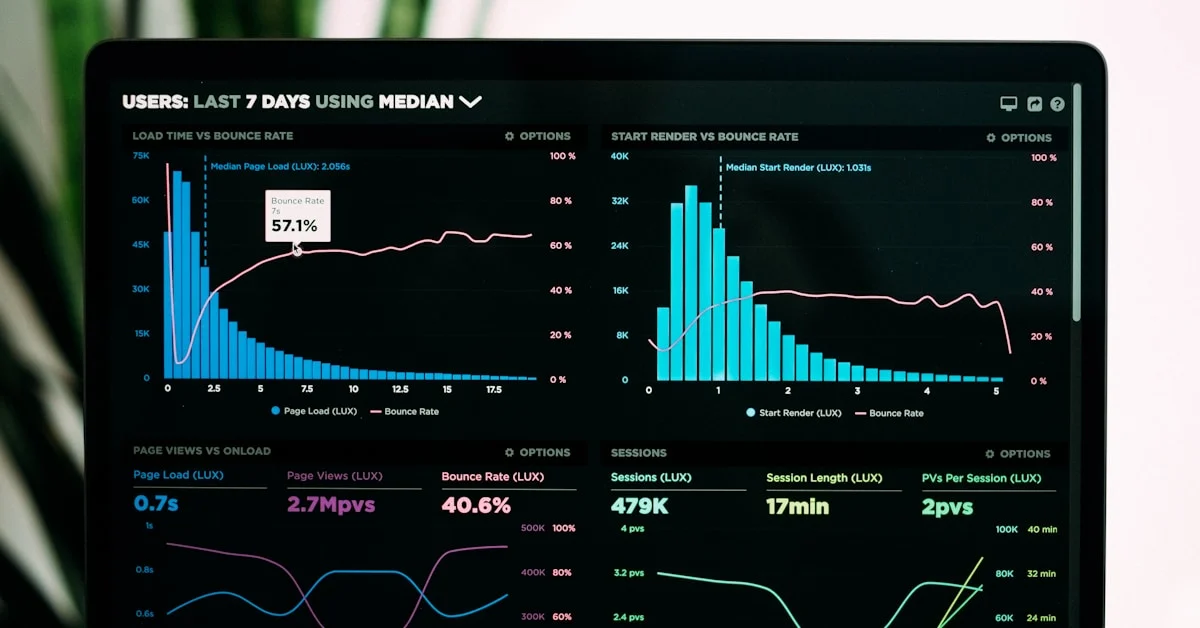
Understanding what your competitors are doing in search engines is one of the most powerful moves in SEO. An SEO competitor analysis reveals the keywords they rank for, the backlinks they've earned, and the content strategies driving their traffic — giving you a clear roadmap to outrank them.
What Is an SEO Competitor Analysis?
An SEO competitor analysis is the process of evaluating websites that outrank you in SERPs for your target keywords. It uncovers:
- Keywords your competitors rank for that you don't
- Where their backlinks come from
- What content formats perform best in your niche
- Their technical SEO strengths and weaknesses
Step 1: Identify Your SEO Competitors
Your SEO competitors are not always your business competitors — they're websites consistently appearing in the top results for your target keywords.
How to Find Them
- Search your primary keywords in Google and note the top 10 results
- Use Ahrefs or SEMrush to identify competing domains
- Look for sites appearing across multiple related keyword searches
Step 2: Analyze Competitor Keywords
Keyword analysis is the foundation of SEO competitor research. Focus on:
- Keyword gaps — keywords they rank for that you don't
- Overlapping keywords — where you need to improve
- Low-competition opportunities — high-volume keywords with achievable difficulty
Run a Keyword Gap Analysis
Use Ahrefs Content Gap or SEMrush Keyword Gap to compare domains. Filter results for volume 100+, keyword difficulty under 40, and competitor positions 1–20.
Step 3: Audit Competitor Backlinks
Backlinks remain a top Google ranking signal. Analyzing competitor link profiles shows you exactly which link-building tactics work in your niche.
| Metric | Why It Matters | Tool |
|---|---|---|
| Referring domains | Overall link authority | Ahrefs, Moz |
| Domain authority | Quality of links | Moz DA, Ahrefs DR |
| Anchor text | Keyword targeting signals | Ahrefs, SEMrush |
| Link velocity | Growth stability | Ahrefs, Majestic |
Replicate their best link sources as part of your backlink building strategy.
Step 4: Evaluate Content Strategies
Study your competitors' top-performing content:
- Identify their most-shared and most-linked pages
- Note content format — guides, lists, case studies, videos
- Check average word count for top-ranking articles
- Analyze heading structure (H2s, H3s, FAQs)
If a competitor ranks #1 with a 3,000-word guide and you have 600 words on the same topic, create something more comprehensive and valuable.
Step 5: Review Technical SEO
Technical SEO affects crawlability and rankings. Check competitors for:
- Page speed (Google PageSpeed Insights)
- Mobile-friendliness and Core Web Vitals
- Schema markup implementation
- Site architecture and internal linking depth
Poor technical performance from a competitor is an opportunity. Learn how a professional SEO service addresses these gaps systematically.
Step 6: Build Your Action Plan
- Quick wins — Target keyword gaps with existing topical relevance
- Content upgrades — Improve pages ranking positions 5–20
- Link building — Target the same referring domains competitors use
- Technical fixes — Close the gap on speed and Core Web Vitals
- New content — Fill gaps with comprehensive, well-structured articles
Best Tools for SEO Competitor Analysis
| Tool | Best For | Pricing |
|---|---|---|
| Ahrefs | Backlinks & keyword gaps | From $99/mo |
| SEMrush | All-in-one competitive research | From $119/mo |
| Moz Pro | Domain authority comparison | From $99/mo |
| Ubersuggest | Budget-friendly insights | Free tier available |
Work With an SEO Specialist
A thorough competitor analysis requires expertise, premium tools, and strategic thinking. Sadekur Rahman offers complete competitive audits, data-driven keyword strategies, and actionable recommendations. Explore SEO plans and pricing or book a free strategy call today.
Frequently Asked Questions
How often should I run an SEO competitor analysis?
Run a full analysis quarterly and do lighter monthly checks on rankings and new competitor backlinks.
How many competitors should I analyze?
Focus on 3–5 primary competitors that consistently rank for your most important keywords.
Can I do competitor analysis without paid tools?
Yes — Google Search Console, free Ubersuggest tiers, and manual SERP research can provide useful insights, though paid tools give much richer data.

Written by Sadekur Rahman
SEO & Website Strategy Specialist at Pixelvega and SEO Executive at Daily Amar Desh. 6+ years helping brands grow with data-driven SEO.