How to Recover from Google Business Profile Review Bombing (Crisis Guide)
Learn how to recover from review bombing attacks on your Google Business Profile. Step-by-step guide to remove fake reviews and rebuild your reputation.

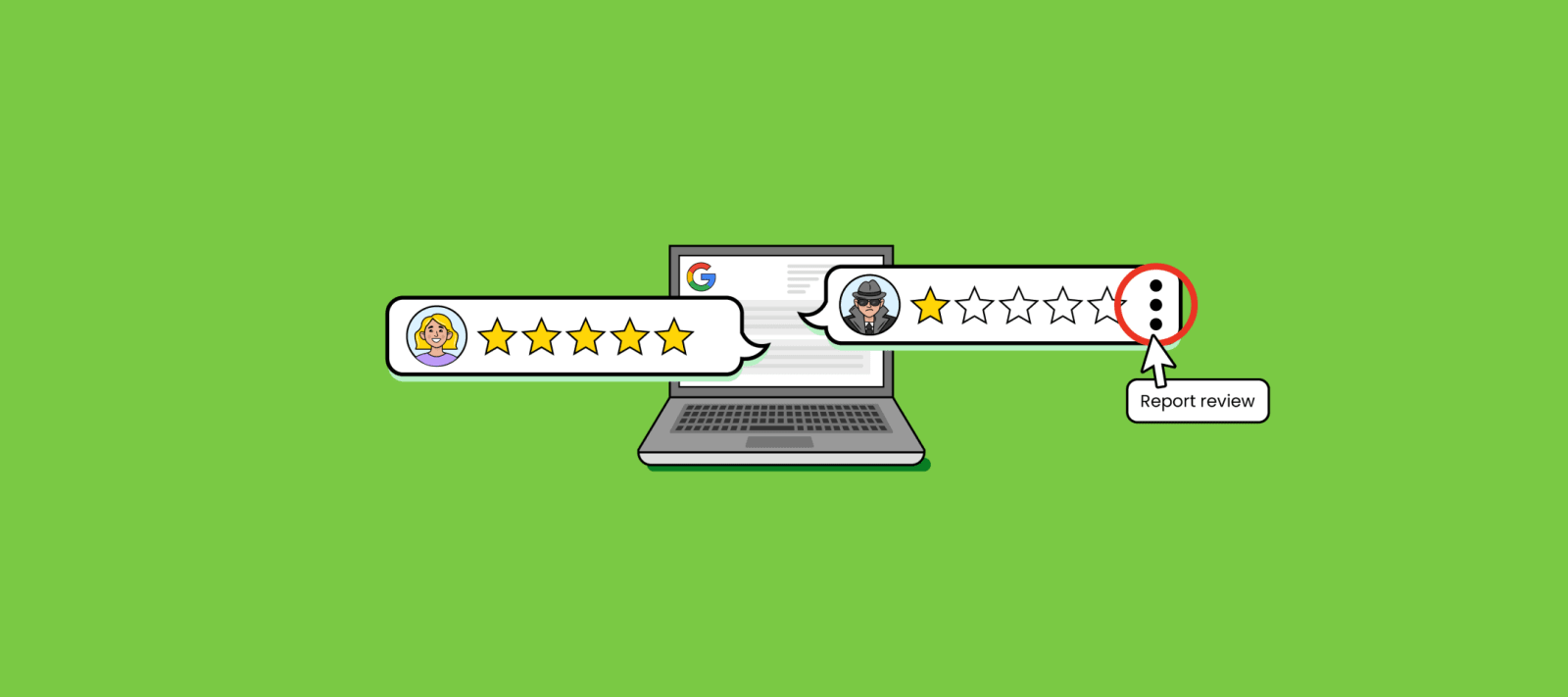
Waking up to find your Google Business Profile flooded with dozens of 1-star reviews from people who've never used your services is a nightmare scenario. Review bombing coordinated attacks of fake negative reviews can devastate your business overnight, tanking your star rating, destroying customer trust, and causing your phone to stop ringing.
The damage is immediate and severe. Studies show that a one-star decrease in your Google rating can reduce revenue by up to 9%. When review bombers drop your rating from 4.8 to 2.3 in a single day, you're looking at potential revenue losses of 30-40% or more until the situation is resolved.
If you're currently experiencing a review bombing attack or want to prepare for this increasingly common threat, this comprehensive guide provides the exact steps to identify fake reviews, report them effectively, recover your reputation, and prevent future attacks.
Understanding Review Bombing and Fake Reviews
Before you can fight back, you need to understand what you're dealing with and why it happens.
What Is Review Bombing?
Review bombing is a coordinated attack where multiple people often who have never interacted with your business leave negative reviews in a short period, usually motivated by:
Malicious competition:
- Competitors trying to damage your reputation
- Deliberate attacks to steal market share
- Paid review bombing services
Political or social activism:
- Disagreement with business policies or stances
- Boycott campaigns
- Social media-driven outrage
Disgruntled individuals:
- Former employees seeking revenge
- Customers with unrealistic grievances
- Personal vendettas
Extortion attempts:
- Demands for payment to stop or remove reviews
- Threats to continue bombing unless paid
Types of Fake Reviews
Not all fake reviews are part of coordinated attacks. Understanding the types helps with identification and removal.
Type 1: Completely fabricated reviews
- Reviewer never interacted with your business
- Generic complaints with no specific details
- Often posted from new accounts
- Multiple reviews with similar wording or patterns
Type 2: Competitor-generated reviews
- Left by competing businesses or their employees
- May reference services you don't offer
- Sometimes praise competitors in the review
- Timing often correlates with competitor campaigns
Type 3: Extortion-based reviews
- Accompanied by messages demanding payment
- Threats to post more if demands aren't met
- Often from overseas or anonymous accounts
Type 4: Mistaken identity reviews
- Intended for a different business with similar name
- References locations or services you don't have
- Genuine reviewers but wrong target
How Review Bombing Damages Your Business
The impact extends far beyond a lower star rating.
Immediate damage:
- Plummeting average rating (4.8 to 2.5 overnight)
- Disappearance from local map pack
- Lost visibility in "near me" searches
- Customer hesitation and lost sales
Ongoing damage:
- Difficulty attracting new customers
- Lost trust from potential clients
- Reduced employee morale
- Long recovery timeline even after removal
Financial impact: Studies show specific correlations:
- 1-star decrease = 5-9% revenue reduction
- Drop below 3.5 stars = 30-50% traffic decrease
- Map pack exclusion = 80%+ visibility loss
Understanding these stakes emphasizes the urgency of swift, effective response.
Learn more about reputation's role in local SEO.
How to Identify Review Bombing vs. Legitimate Criticism
Not every surge in negative reviews constitutes bombing. Distinguishing fake attacks from genuine feedback is critical.
Red Flags for Fake Reviews
Timing patterns:
- 10+ reviews in 24-48 hours (unusual for most businesses)
- All posted within a narrow time window
- Surge following specific events (competitor promotion, business decision)
Reviewer profiles:
- Newly created accounts (no review history)
- Accounts with only 1-2 reviews (yours being negative)
- Generic profile photos or no photos
- Names that look computer-generated
- Reviewers from distant locations you don't serve
Review content:
- Generic complaints lacking specific details
- Similar phrasing across multiple reviews
- References to services/products you don't offer
- Impossible scenarios (claims of visiting when closed)
- Over-the-top emotional language
- Poor grammar suggesting automated translation
Pattern matching:
- Multiple reviews mentioning exact same issues
- Coordinated messaging or talking points
- References to same incident with different details
- Reviews that seem to respond to each other
Legitimate Negative Review Characteristics
By contrast, genuine negative reviews typically show:
Specific details:
- Names of employees or specific interactions
- Dates and times that align with business hours
- Accurate descriptions of your location/services
- Realistic complaints about actual pain points
Established reviewers:
- Active review history on multiple businesses
- Photos and engagement in Google Maps
- Verifiable local guide status
- Profile shows genuine person
Reasonable tone:
- Disappointed but not hysteric
- Specific about what went wrong
- Sometimes includes positive aspects too
- Offers constructive criticism
How to verify: Check your records:
- Does this person appear in your customer database?
- Do dates/times mentioned align with actual appointments?
- Can staff recall this interaction?
- Are the complaints about things you actually offer?
Immediate Response Plan (First 24-48 Hours)
When review bombing begins, immediate action minimizes damage and begins recovery.
Step 1: Document Everything
Before taking any action, create a comprehensive record.
What to document:
Screenshot all fake reviews:
- Capture full review including reviewer name and profile
- Note date and time posted
- Save reviewer profile information
- Document any patterns or coordinated messaging
Create a spreadsheet tracking:
| Review Date | Reviewer Name | Star Rating | Review Content | Red Flags | Evidence of Fake |
| 2/1/25 | John D. | 1 star | Generic complaint | New account, no history | Never in customer database |
| 2/1/25 | Sarah M. | 1 star | Similar wording | Posted 2 min after John | References service we don't offer |
Gather counter-evidence:
- Customer database showing no interaction
- Business hours proving impossibility of claims
- Photos/videos disproving specific claims
- Previous communication showing different truth
Step 2: Respond Professionally to Each Review
Even fake reviews need professional responses. Your response is visible to all potential customers.
Response strategy:
For clearly fake reviews:
"Thank you for your feedback. However, we don't have any record of
serving you and the details you mention don't match our services or
location. We've reported this review to Google for investigation.
If you have us confused with another business, please verify and
we'll be happy to help you find the right place. If you are a
customer, please contact us directly at [phone] so we can identify
your visit and address your concerns."
For suspicious but possibly real:
"We're sorry to hear about your experience. We take all feedback
seriously but cannot locate your visit in our records. Please contact
us at [phone/email] with your service date and details so we can
investigate and make this right. We want to resolve any legitimate
concerns."
Response best practices:
- Never accuse directly ("This is fake!")
- Remain professional and factual
- Invite offline resolution
- Demonstrate your professionalism to other readers
- Don't engage in arguments
Step 3: Report Reviews to Google
Google provides mechanisms to report policy-violating reviews.
How to report individual reviews:
- Sign in to your Google Business Profile
- Navigate to Reviews section
- Find the review to report
- Click the three dots (⋮) next to the review
- Select "Report review"
- Choose the most accurate violation:
- Spam and fake content
- Off-topic
- Conflict of interest
- Profanity
- Bullying or harassment
- Discrimination or hate speech
Violation categories explained:
Spam and fake content: Use when reviewer clearly didn't interact with your business. Most effective for review bombing.
Conflict of interest: Use when you have evidence the reviewer is a competitor or someone with financial interest in harming you.
Off-topic: Use when review discusses things unrelated to your business (political views, personal attacks on owner).
Step 4: Submit Bulk Review Violation Report
For coordinated attacks, Google's bulk reporting process is more effective.
How to submit bulk reports:
- Go to Google Business Profile Support
- Select "Contact us" → "Manage reviews"
- Choose "Report multiple suspicious reviews"
- Provide detailed information:
- Your business name and location
- Number of suspicious reviews
- Time period of attack
- Patterns you've identified
- Evidence supporting fake claims
What to include in bulk report:
Clear explanation: "Our business received 27 1-star reviews between [date] and [date], all from accounts with no review history, containing similar generic complaints about services we don't offer. This appears to be a coordinated review bombing attack."
Supporting evidence:
- Screenshots of suspicious patterns
- Documentation that reviewers aren't customers
- Proof of impossibility (reviews claiming visits when closed)
- Examples of similar phrasing
Request: "We request Google investigate and remove these policy-violating reviews as they are damaging our legitimate business and misleading potential customers."
Step 5: Alert Your Existing Customers
Turn loyal customers into advocates who can help counteract the attack.
Communication strategy:
Email to customer list:
Subject: Important Update About Our Google Reviews
Dear Valued Customer,
We wanted to make you aware of a situation affecting our Google
reviews. We recently experienced a coordinated attack of fake negative
reviews from people who have never used our services.
We've reported these reviews to Google and are working to have them
removed. In the meantime, if you've been satisfied with our service,
we'd greatly appreciate if you could share your genuine experience
with a Google review.
Your authentic feedback helps other customers make informed decisions
and counteracts these malicious attacks.
[Link to leave review]
Thank you for your continued support.
Social media post:
Brief, factual statement acknowledging the attack without seeming defensive. Focus on your commitment to quality and legitimate customer feedback.
Long-Term Recovery Strategy
After immediate triage, implement systematic recovery to rebuild your reputation and ranking.
Step 1: Generate Authentic Positive Reviews
The most effective long-term strategy is overwhelming fake reviews with genuine positive ones.
Systematic review generation:
Immediate (Week 1-2):
- Personally reach out to 20-30 best customers
- Explain the situation honestly
- Request their help with authentic reviews
- Make the process easy (direct review link)
Short-term (Month 1):
- Implement automated post-service review requests
- Train staff to ask for reviews
- Add review request to email signatures
- Include review link on receipts/invoices
Long-term (Ongoing):
- Make review requests part of standard process
- Offer exceptional service that naturally inspires reviews
- Follow up after every positive interaction
- Respond to all reviews (positive and negative)
Target metrics:
| Timeframe | Goal | Impact |
| Week 1-2 | 15-20 new positive reviews | Dilutes fake review impact |
| Month 1 | 30-50 new reviews | Begins rating recovery |
| Month 2-3 | 40-60 new reviews | Rating approaches pre-attack level |
| Ongoing | 10-15 reviews monthly | Maintains strong rating |
Learn more about review generation in our local SEO services.
Step 2: Diversify Your Review Presence
Don't rely solely on Google. Build strong review profiles across platforms.
Priority platforms:
Must-have:
- Yelp (high authority, strict fake review policies)
- Facebook (social proof and trust)
- Better Business Bureau (credibility signal)
Industry-specific:
- Avvo (lawyers)
- Healthgrades (medical)
- Houzz (home services)
- TripAdvisor (hospitality)
Benefits of diversification:
- Reduces impact of attacks on single platform
- Provides alternative social proof
- Demonstrates consistent quality across sources
- Helps Google validate your legitimacy
Step 3: Create Positive Content
Generate content that appears in searches alongside reviews, providing context and balance.
Content strategies:
Video testimonials:
- Record satisfied customers (with permission)
- Share on YouTube with business name in title
- Embed on website and share on social media
- Ranks in searches for your business name
Case studies:
- Document successful customer outcomes
- Publish on your website
- Share via social media
- Demonstrates real customer relationships
Blog content:
- Customer success stories
- Behind-the-scenes content showing your team
- Community involvement
- Industry expertise
Press releases:
- Announce achievements, awards, milestones
- Distribute through press release services
- Creates positive search results
- Builds credibility
Step 4: Optimize Your Google Business Profile
A complete, active profile demonstrates legitimacy and may help Google identify fake reviews faster.
Optimization checklist:
Complete all sections:
- ✓ Detailed business description
- ✓ Accurate hours and special hours
- ✓ All relevant attributes
- ✓ Complete service listings
- ✓ Products/menu if applicable
Add rich media:
- ✓ 50+ high-quality photos
- ✓ Regular updates (weekly posts)
- ✓ 360° virtual tour if relevant
- ✓ Videos showcasing services
Engage actively:
- ✓ Respond to all reviews within 24 hours
- ✓ Answer questions in Q&A section
- ✓ Post updates and offers weekly
- ✓ Upload new photos monthly
Profile activity signals: Active, engaged businesses are less likely targets for sustained fake review attacks, and Google may be more responsive to their removal requests.
Step 5: Monitor Continuously
Implement systems to catch future attacks early.
Monitoring tools and methods:
Google alerts: Set up alerts for:
- Your business name
- Business name + "review"
- Business name + "scam" or negative terms
Review monitoring services:
| Service | Features | Price Range |
| ReviewTrackers | Multi-platform monitoring, alerts | $50-200/month |
| Reputation.com | Comprehensive reputation management | $100-500/month |
| BirdEye | Review generation + monitoring | $300-500/month |
| Grade.us | Review monitoring and requests | $49-199/month |
Manual checks:
- Daily Google Business Profile check
- Weekly full platform audit
- Monthly competitive comparison
Early warning indicators:
- Sudden rating drop
- Multiple reviews in short period
- Reviews from new accounts
- Pattern similarities
Advanced Defense Strategies
Beyond basic recovery, implement these sophisticated protection measures.
Strategy 1: Build Legal Documentation
Prepare for potential legal action against particularly damaging attacks.
What to document:
Evidence of harm:
- Traffic analytics showing drop after attack
- Revenue data demonstrating financial impact
- Customer feedback mentioning reviews
- Lost opportunities attributed to reviews
Evidence of falsehood:
- Proof reviewers aren't customers
- Documentation of impossible claims
- IP address data if available
- Patterns suggesting coordination
Legal options:
Defamation suits: If you can identify perpetrators and prove damages, defamation lawsuits are possible but expensive and time-consuming.
Cease and desist letters: If you identify attackers (competitors, former employees), legal letters may stop ongoing attacks.
Report to authorities: Extortion-based review bombing is illegal. Report to local law enforcement and FBI's Internet Crime Complaint Center.
Strategy 2: Use Reputation Management Services
Professional help accelerates recovery and provides expertise in handling platforms.
What reputation services provide:
Review removal expertise:
- Understanding platform policies
- Effective reporting strategies
- Persistent follow-up with platforms
- Higher success rates than DIY
Crisis management:
- Professional response crafting
- Strategic review generation
- Media management if needed
- Ongoing monitoring
Legal support:
- Coordination with attorneys
- Documentation for legal action
- Investigation of attack sources
- Cease and desist handling
Strategy 3: Implement Review Gating (Carefully)
Review gating pre-screening customers before directing them to review platforms is controversial but can be done ethically.
Compliant review gating:
Internal feedback first: Send all customers to an internal feedback form. Based on their response:
- Positive feedback: Invite to leave public review
- Negative feedback: Engage privately to resolve
Critical requirements:
- Never prevent anyone from leaving public reviews
- Don't tell people they can't review
- Simply guide happy customers to review platforms
- Always attempt to resolve issues privately first
Google's position: Google discourages gating. Use cautiously and ensure you never prevent negative reviews only prioritize getting positive experiences shared publicly.
Strategy 4: Create a Review Response Template System
Professional, consistent responses demonstrate legitimacy and care.
Template categories:
Positive reviews:
"Thank you [Name] for the wonderful feedback! We're thrilled you
were satisfied with [specific service mentioned]. We appreciate
your business and look forward to serving you again!"
Legitimate negative reviews:
"We're sorry we didn't meet your expectations, [Name]. Your
concerns about [specific issue] are important to us. Please contact
us at [phone/email] so we can make this right. We value your
business and want to resolve this."
Suspected fake reviews:
"Thank you for your feedback. We've searched our records but cannot
find your visit. If you are a customer, please contact us at [contact]
with your service details so we can address your concerns. We've
reported this review as we believe it may be intended for a different
business."
Importance of responses:
- 89% of consumers read business responses to reviews
- Responses demonstrate you care about feedback
- Professional handling improves perception even of negative reviews
Preventing Future Review Bombing Attacks
Proactive measures reduce vulnerability to future attacks.
Prevention Tactic 1: Maintain Strong Ongoing Review Velocity
A steady stream of authentic reviews makes bombing attacks less impactful.
Target review rates:
| Business Size | Monthly Review Goal |
| Small (1-5 employees) | 5-10 reviews |
| Medium (6-20 employees) | 10-20 reviews |
| Large (20+ employees) | 20-50 reviews |
Consistent positive reviews mean:
- New fake reviews have less impact on overall rating
- Pattern of authentic engagement is established
- Easier for Google to identify anomalies
- Faster recovery if attacked
Prevention Tactic 2: Document All Customer Interactions
Maintaining detailed records helps you prove fake reviews are fraudulent.
What to track:
- Customer names and contact information
- Service dates and times
- Services provided
- Employee interactions
- Payment records
- Any communications
Benefits:
- Quickly verify if reviewer is customer
- Provide evidence to Google
- Support potential legal action
- Professional operations standard
Prevention Tactic 3: Build Strong Community Presence
Businesses deeply integrated in their communities face less review bombing and recover faster.
Community integration strategies:
- Sponsor local events and teams
- Participate in community organizations
- Support local charities
- Engage on local social media groups
- Build relationships with local media
Why this helps:
- Community members defend you during attacks
- Local media may cover unfair attacks
- Established reputation counteracts fake reviews
- Creates authentic advocates
Prevention Tactic 4: Educate Staff About Review Policies
Employee awareness prevents internal threats and improves review generation.
Staff training topics:
- Company review policies
- How to request reviews properly
- Never buying or faking reviews
- Handling customer complaints before they become reviews
- Identifying suspicious review requests
When Google Doesn't Remove Fake Reviews
Despite evidence and reports, Google sometimes doesn't remove reviews you know are fake.
Escalation Options
Option 1: Google My Business Support Phone
Call Google Business Profile support directly:
- More immediate than forms
- Speak with actual person
- Explain urgency of situation
- Provide evidence verbally
Option 2: Twitter Escalation
Tweet at @GoogleMyBusiness:
- Public pressure sometimes gets faster response
- Be professional and factual
- Include case number if you have one
- Don't be aggressive or demanding
Option 3: Legal Takedown Requests
For defamatory content:
- Submit legal removal request
- Requires attorney involvement typically
- Higher success rate for clear defamation
- More expensive option
Option 4: Third-Party Arbitration
Some reputation management companies have relationships and processes that achieve better removal rates.
Living with Unfair Reviews
Sometimes reviews won't be removed despite clear violations.
Mitigation strategies:
Bury with positive reviews: Generate enough new positive reviews that fake ones become less visible and impactful.
Professional responses: Craft responses that make the fake nature obvious to readers without being defensive.
Alternative platforms: Direct customers to other review platforms where your reputation is stronger.
Direct customer communication: Address reviews proactively in sales conversations: "You may see some unusual reviews here's what happened..."
Frequently Asked Questions
How long does it take for Google to remove fake reviews?
Google's review removal timeline varies significantly. Simple violations (profanity, clear spam) may be removed within 1-3 days. Complex cases requiring investigation can take 1-2 weeks. Coordinated review bombing attacks sometimes take 2-4 weeks to fully address. Escalation through phone support or legal channels can accelerate the process. In some cases, reviews that violate policies still aren't removed Google's automated systems and human reviewers don't catch everything.
Can competitors legally post fake negative reviews?
No, posting fake reviews is illegal under the FTC Act and can constitute defamation. However, proving who posted anonymous reviews and pursuing legal action is difficult and expensive. If you can identify the source (competitor admission, IP tracking, pattern analysis), you may have grounds for defamation lawsuits or FTC complaints. Most businesses find legal action impractical and focus on removal requests and reputation recovery instead.
Should I respond to obviously fake reviews?
Yes, always respond professionally. Your response isn't for the fake reviewer it's for potential customers reading reviews. A professional response that politely notes you have no record of serving them, have reported the review, and invite legitimate contact demonstrates to readers that you're responsive and the review is likely fake. Never be aggressive, accusatory, or emotional in responses, as this makes you look unprofessional even if you're right.
How can I tell if my competitor is behind review bombing?
Look for these indicators: timing correlating with competitor promotions or your business success, reviews mentioning competitor names or comparing to competitors, IP addresses from competitor's location, reviews referencing services competitors offer but you don't, former employees of competitors leaving reviews, or patterns in review language matching competitor marketing. While suspicious patterns don't prove competitor involvement, they provide evidence for Google reports and potential legal consultation if damages are severe.
Recover Your Reputation and Protect Your Business
Review bombing is devastating but not fatal. With systematic action immediate reporting, professional responses, strategic review generation, and ongoing monitoring you can recover your reputation and protect against future attacks.
The businesses that recover fastest are those that act immediately, maintain professionalism throughout, and use the crisis to build stronger review generation systems that make them more resilient going forward.
Get Professional Help Managing Your Reputation
If you're experiencing review bombing or want to build defenses against future attacks, professional reputation management accelerates recovery and reduces stress.
As an experienced SEO specialist, I help businesses protect and recover their online reputation through:
- Immediate crisis response and review reporting
- Strategic review generation systems
- Professional response crafting for all reviews
- Multi-platform reputation monitoring
- Google Business Profile optimization
- Long-term reputation building strategies
- Ongoing monitoring and early attack detection
My comprehensive local SEO services include reputation management as a core component, protecting your business from attacks while building authentic positive presence.
Ready to recover from review bombing or protect against future attacks? Book a free consultation to discuss your situation and create a customized reputation recovery and protection plan.
Explore my full range of SEO services including content creation, technical optimization, and comprehensive search marketing. Check out my case studies to see how I've helped businesses overcome reputation crises and build sustainable positive presence.
Related Resources:
- Local SEO Complete Guide
- SEO Tips and Strategies
- Content Marketing Strategy
- How to Recover from a Google Penalty
Don't let review bombing destroy your business. Contact me today to protect your reputation and recover from malicious attacks.

Written by Sadekur Rahman
SEO & Website Strategy Specialist at Pixelvega and SEO Executive at Daily Amar Desh. 6+ years helping brands grow with data-driven SEO.